TLC vs QLC NAND: Endurance, Speed and Price Compared
Buried in every SSD review is a three-letter acronym that quietly determines how long the drive will last and how it behaves under pressure: the NAND type. TLC (triple-le…
22 articles
Buried in every SSD review is a three-letter acronym that quietly determines how long the drive will last and how it behaves under pressure: the NAND type. TLC (triple-le…
Every SSD you buy already hides some of its NAND from you — and that is a good thing. That hidden space, called over-provisioning , is what keeps the drive fast and long-…

SSD firmware is the invisible software running on your drive's controller — and unlike your operating system, it never nags you to update. Most users never touch it, whic…
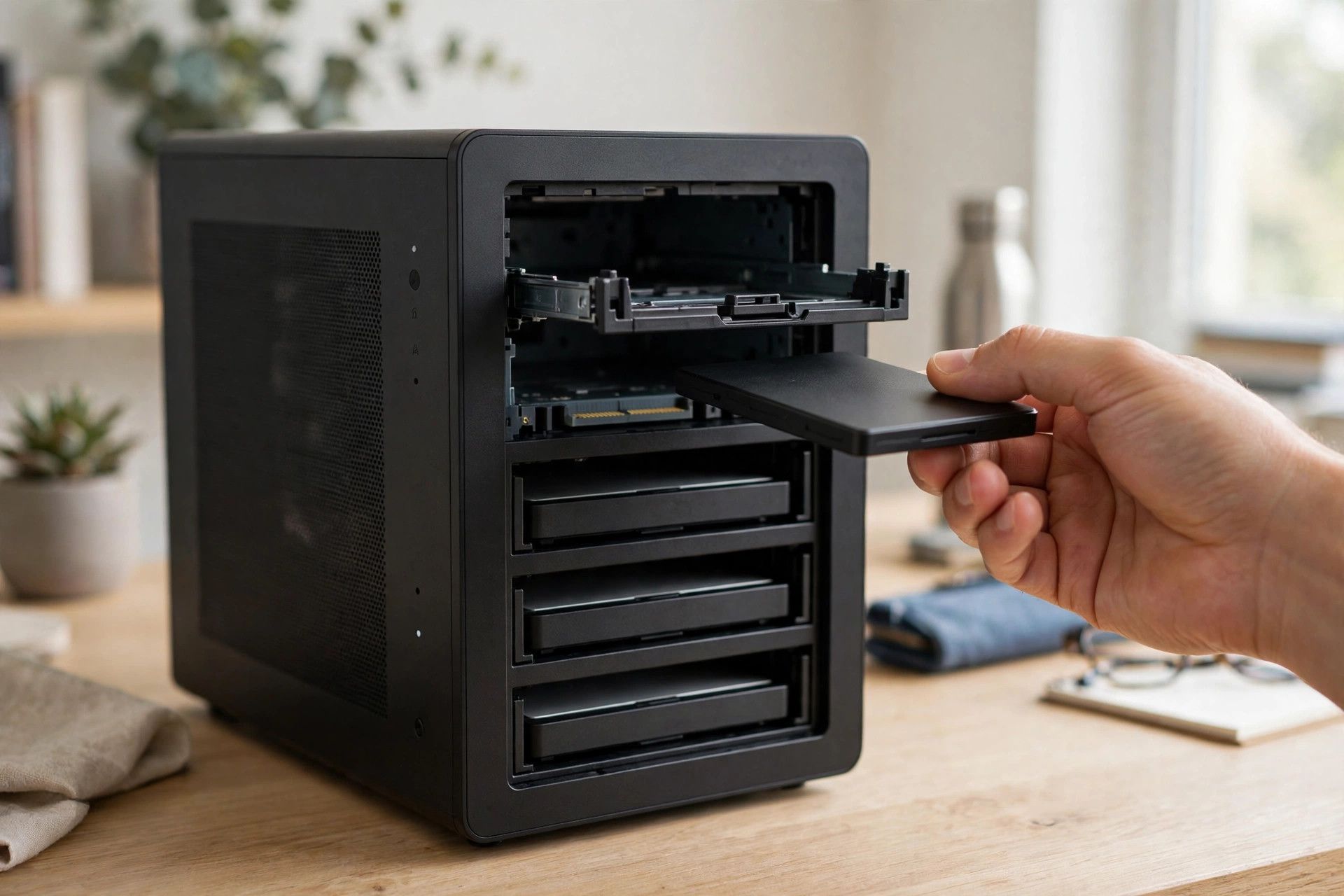
Your NAS is full of hard drives, and someone told you an SSD cache will make it fly. Sometimes they are right. Often, the money is better spent elsewhere. SSD caching for…
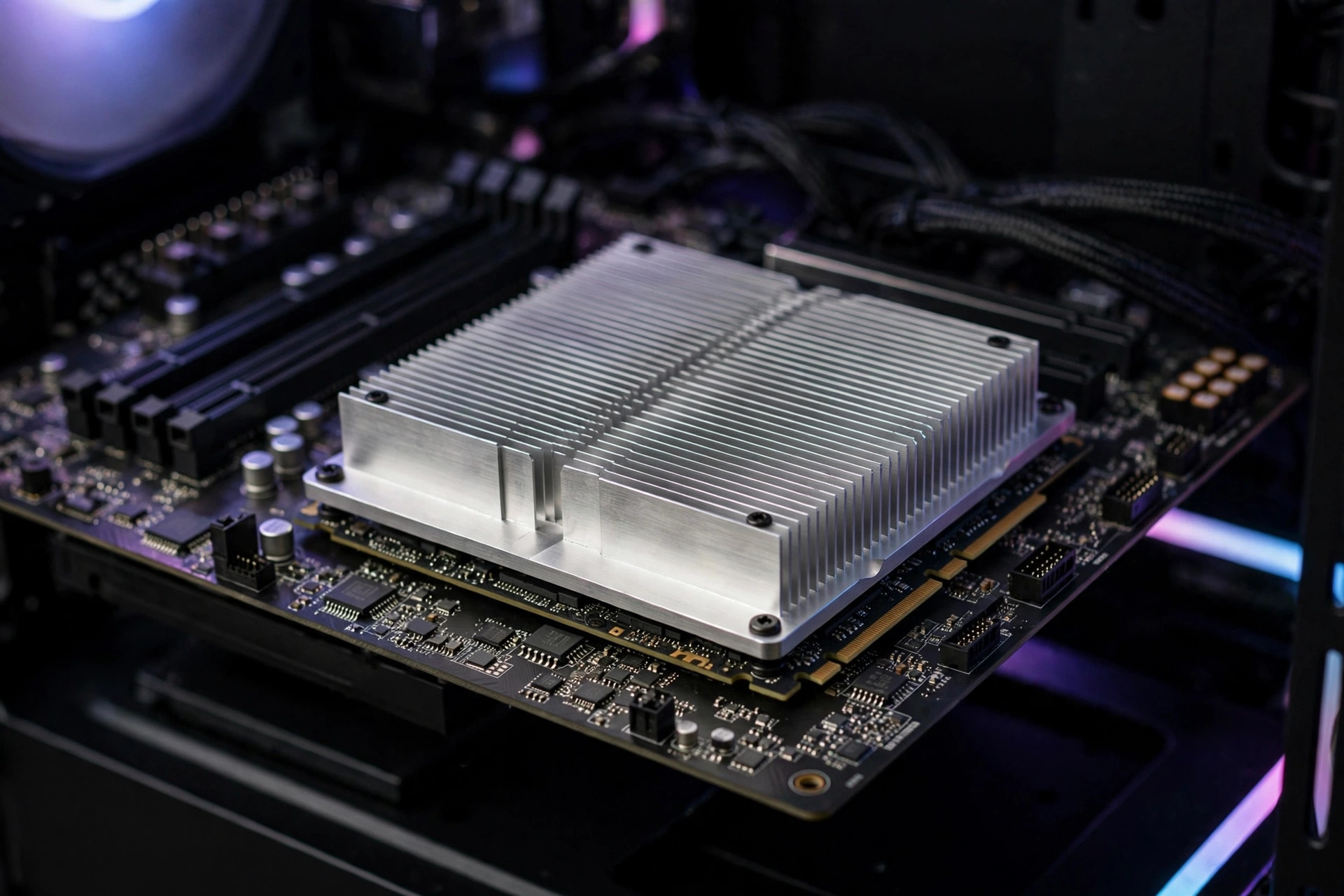
PCIe 5.0 SSDs deliver sequential speeds north of 12,000 MB/s — roughly double the previous generation. The price of that speed is heat: Gen5 controllers draw substantiall…
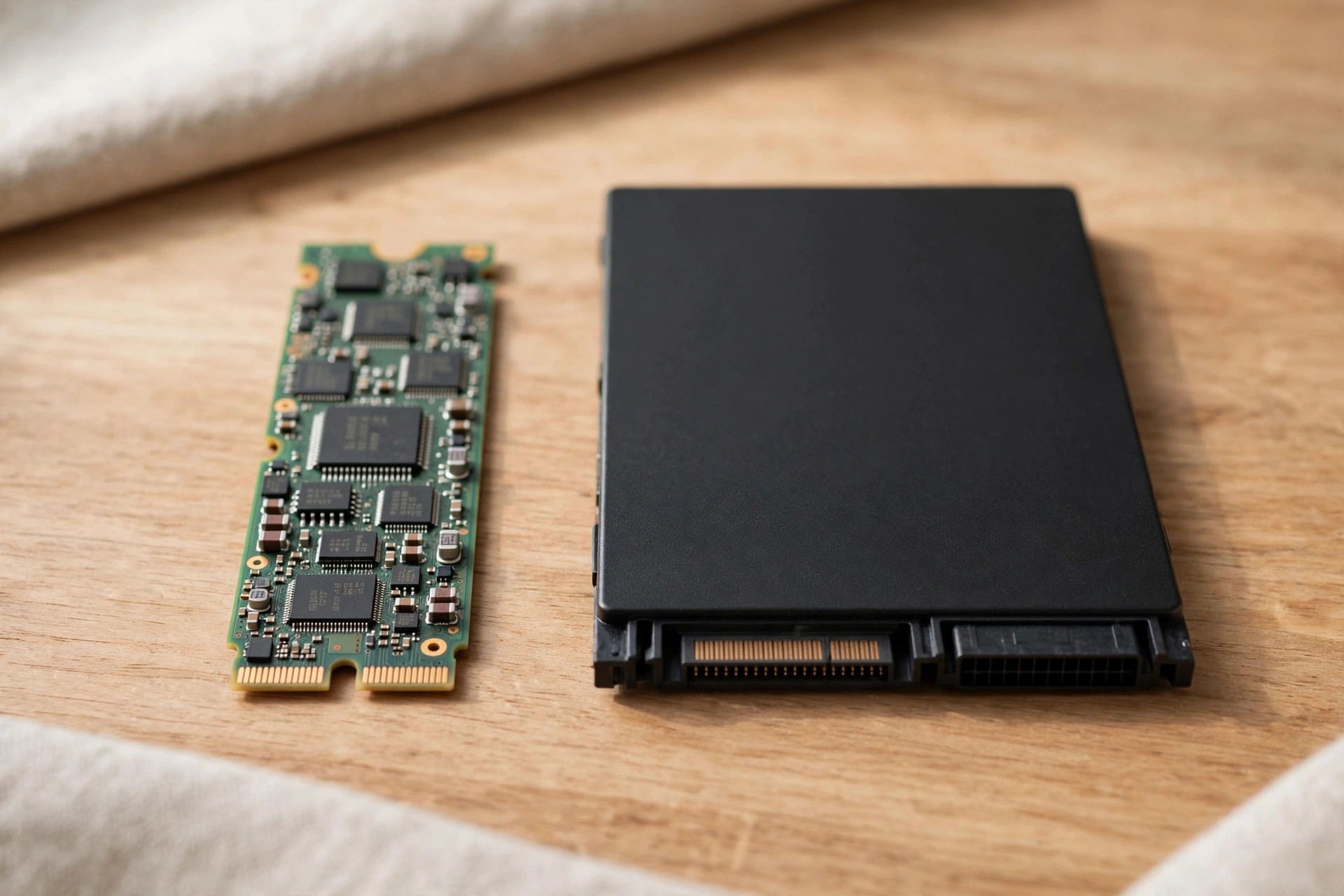
The SATA SSD was the upgrade that converted millions of PC users a decade ago — the jump from a spinning hard drive to any SSD remains the single biggest responsiveness u…
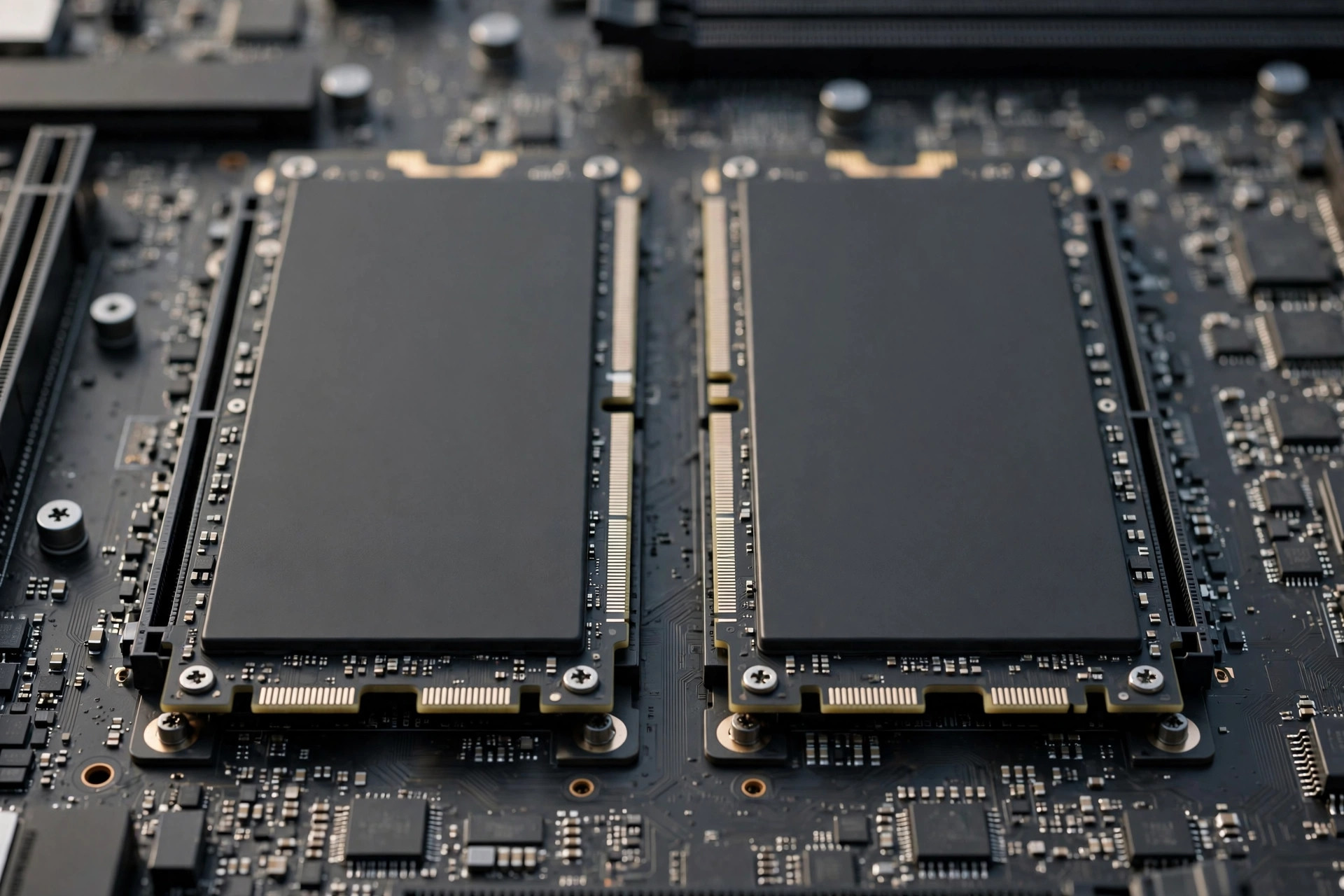
Two NVMe SSDs are fast. Two NVMe SSDs in RAID 0 are, on paper, twice as fast — 24,000 MB/s sequential reads that look spectacular in benchmarks. But paper speed and usefu…

NAND flash manufacturers are doing what they always do when prices run hot: throttling supply to keep them there. Fresh production cuts announced through 2026 point to el…
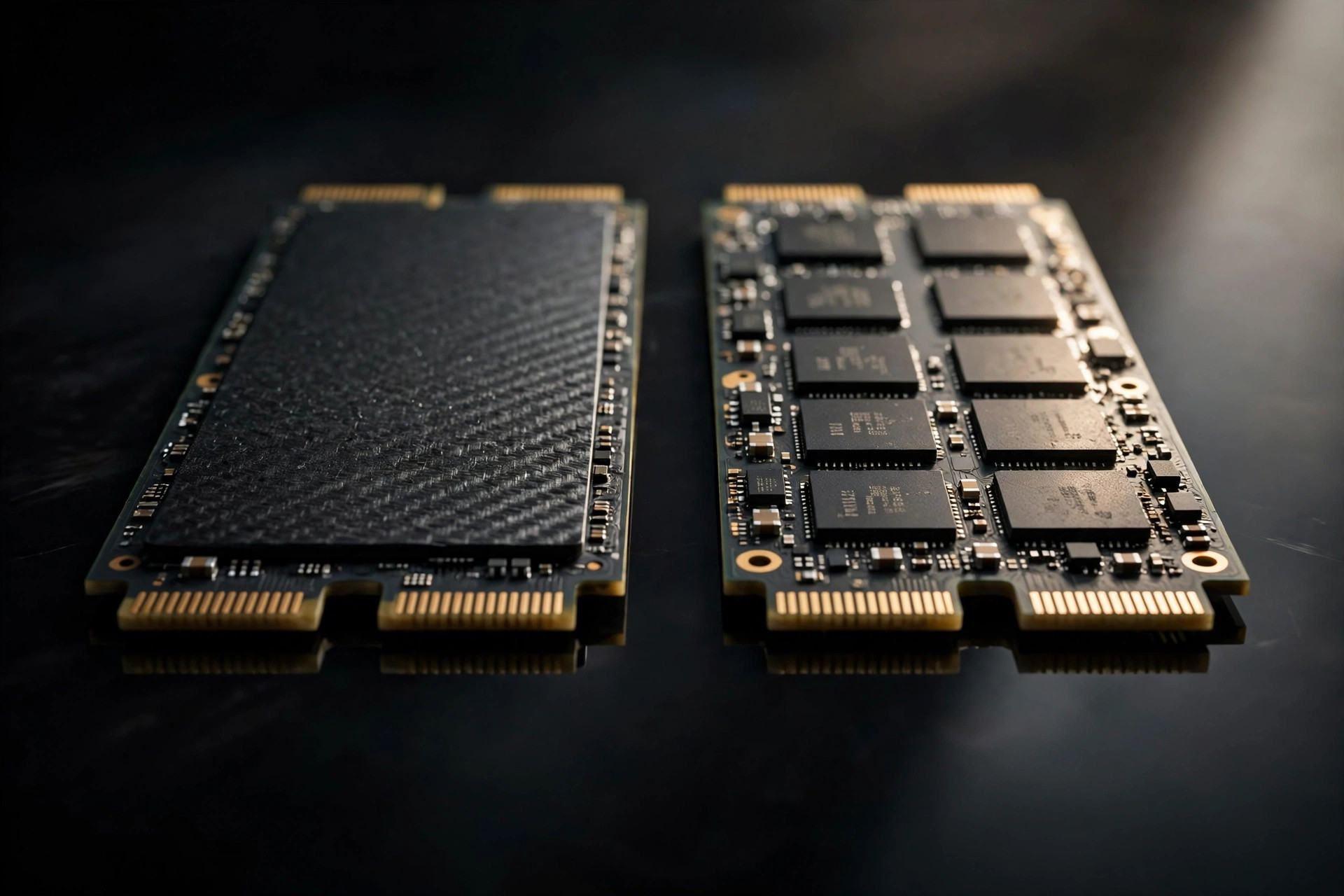
PCIe 5.0 SSDs grab the headlines, but the two PCIe 4.0 flagships — the KC3000 and the FURY Renegade SSD — remain the rational buy for most builders in 2026, and the stron…
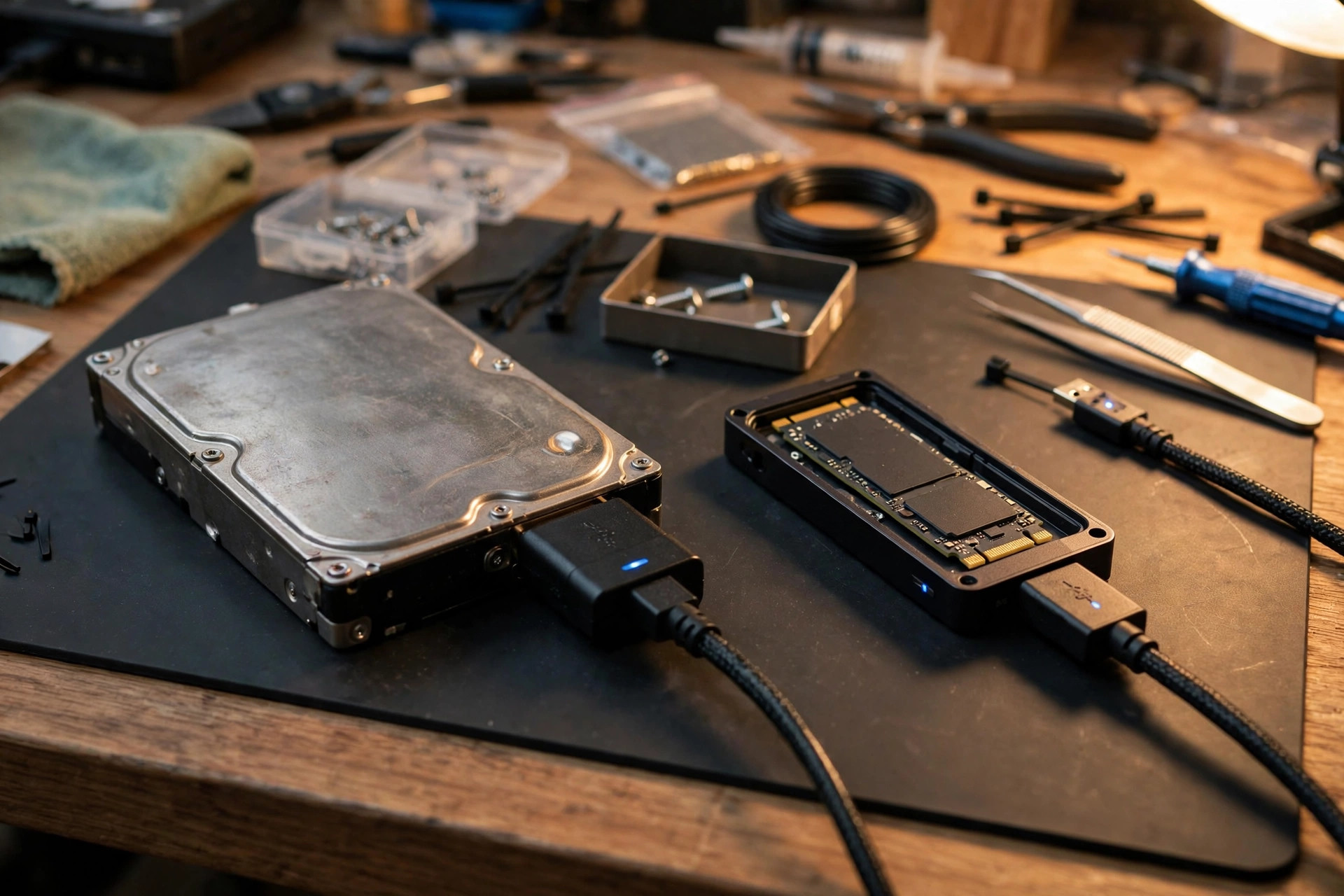
Upgrading to a new SSD does not have to mean a weekend of reinstalling Windows, re-downloading applications, and re-entering license keys. Learning how to clone SSD to ne…

Unlike a hard drive, an SSD rarely gives you an audible warning before it fails. There is no clicking head, no grinding platter — just a drive that works perfectly one da…

"How long do SSDs last?" is one of the most searched storage questions, and the honest answer has two parts: the NAND flash wears out eventually, but for most users the d…
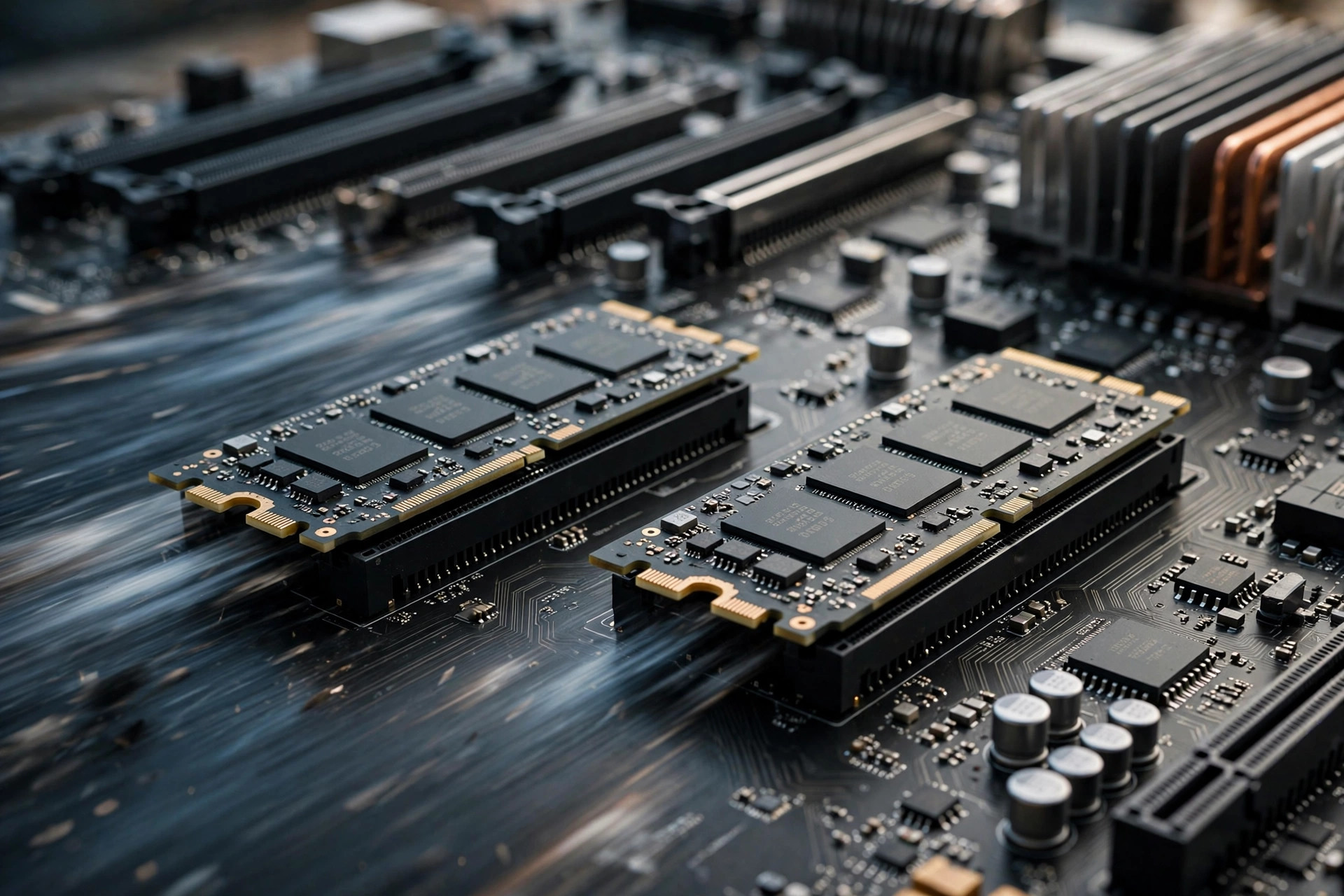
On paper, PCIe 5.0 SSDs demolish their Gen4 predecessors: 14,000 MB/s sequential reads versus 7,000, double the bandwidth, twice the bragging rights. In practice, the sto…
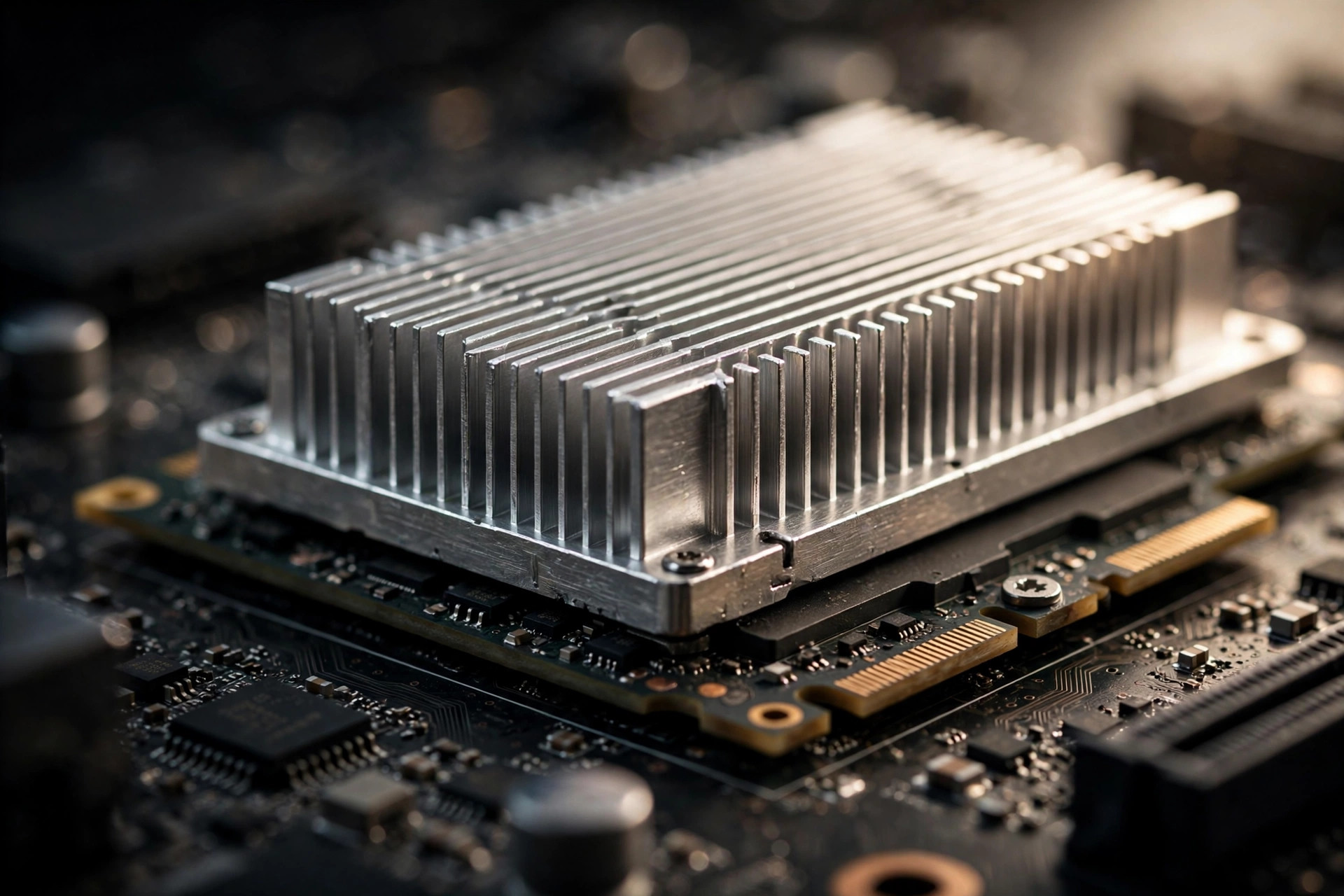
Every SSD launch now comes with thermal warnings, and heatsink-equipped models command a premium. But plenty of drives run perfectly bare. So, do SSDs need heatsinks ? Th…
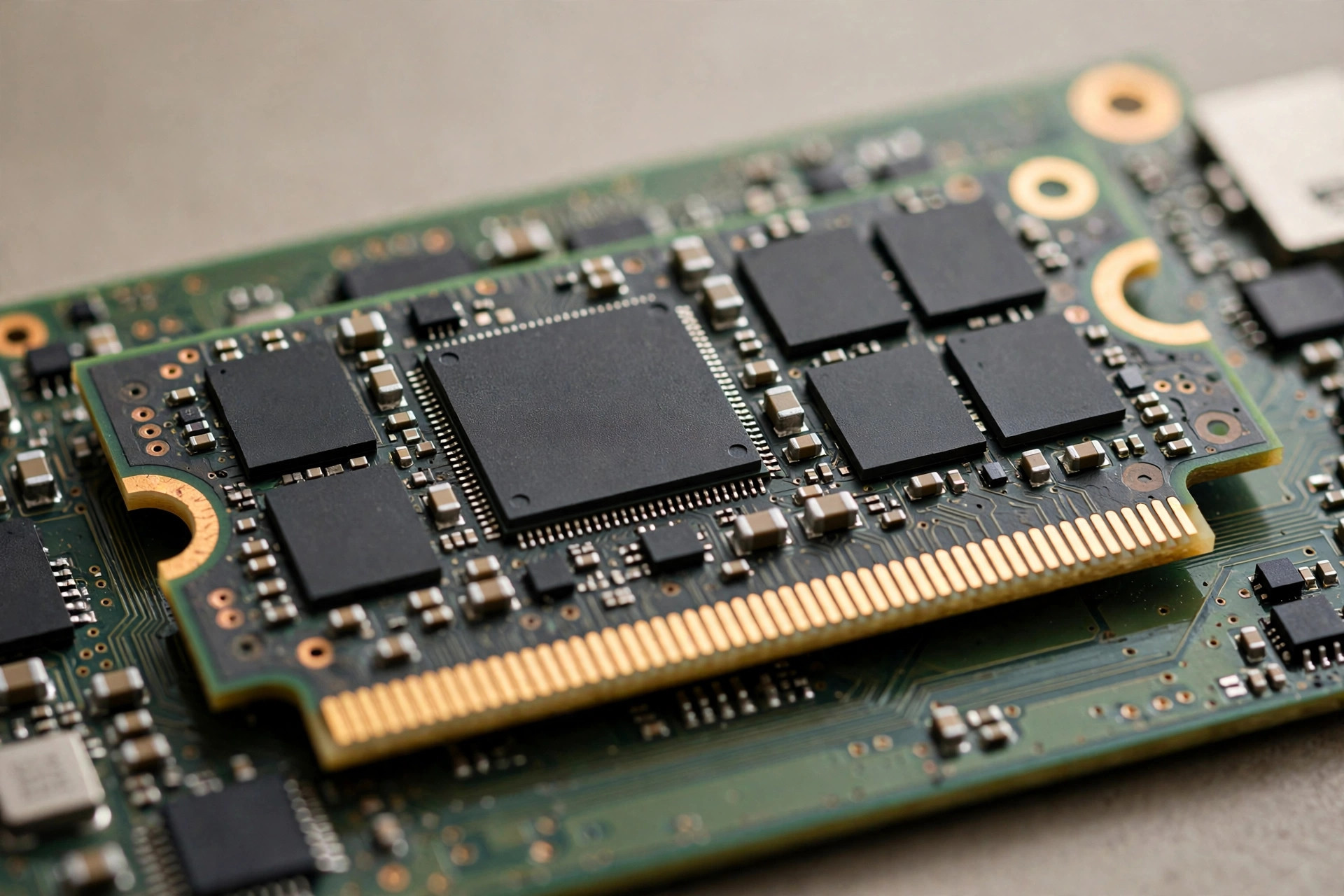
One of the most confusing lines on an SSD spec sheet is also one of the shortest: whether the drive has onboard DRAM cache. Premium NVMe drives ship with a dedicated DRAM…
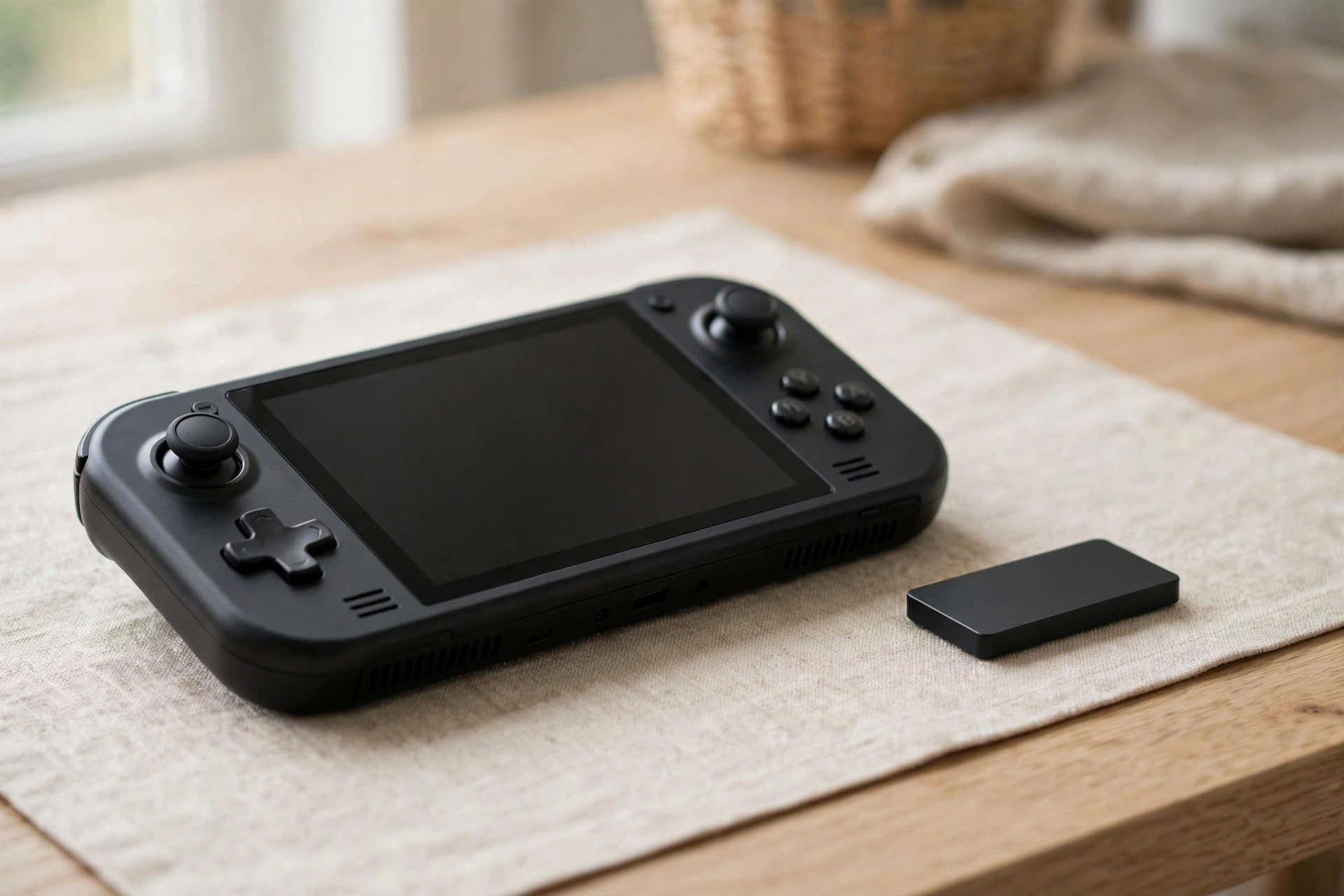
The Steam Deck's stock storage — 64GB eMMC on the base model, or 512GB on higher tiers — runs out fast when single games weigh 80GB or more. Valve made the internal SSD u…
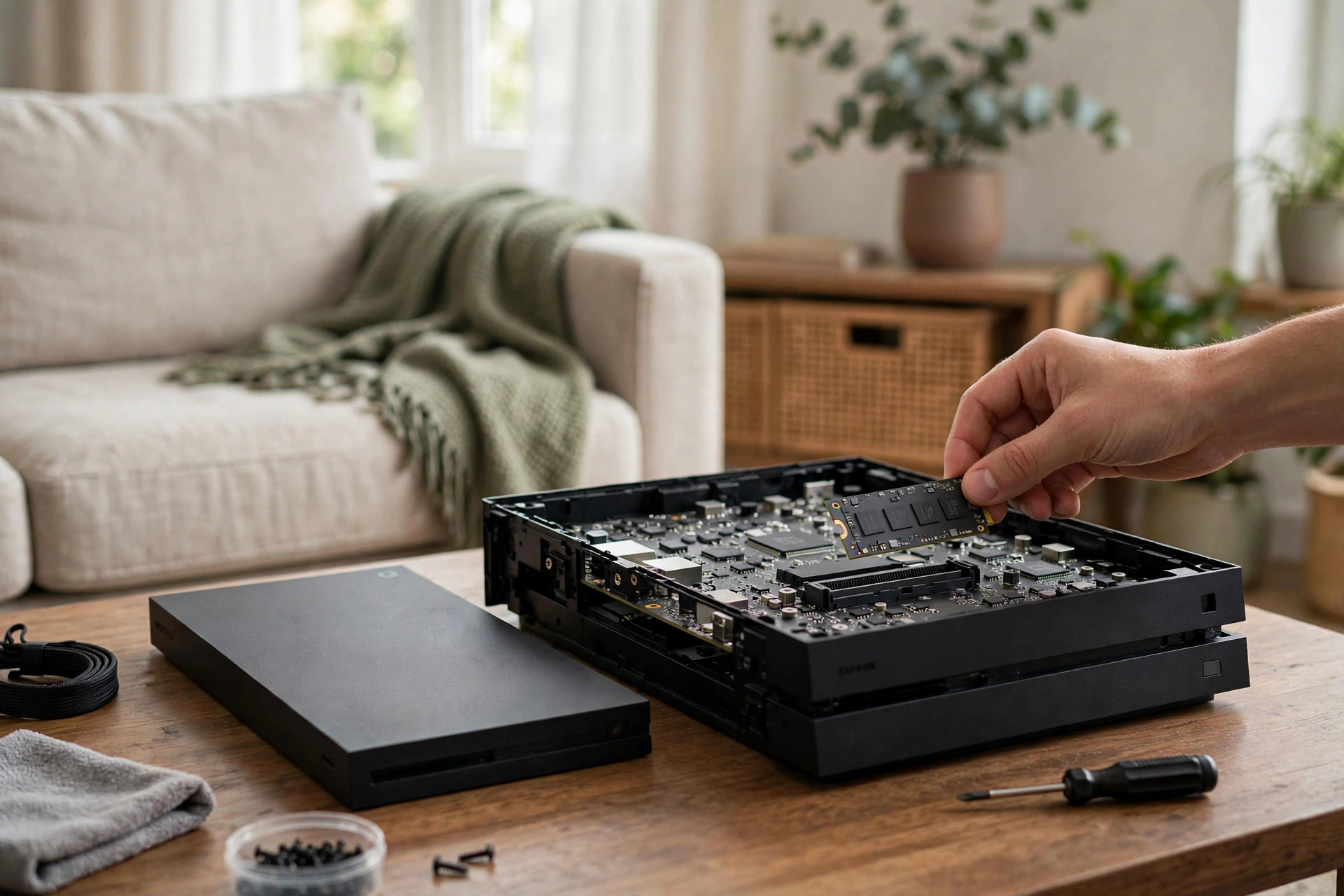
A 2TB internal expansion is the single best quality-of-life upgrade you can buy for a PlayStation 5 in 2026. Modern blockbusters routinely ship at 100–150GB, system softw…
Two years ago the advice was simple: SSDs were cheap, buy the biggest you can afford. In 2026, with a 2TB NVMe drive sitting near $300–380 instead of $120–150, capacity i…
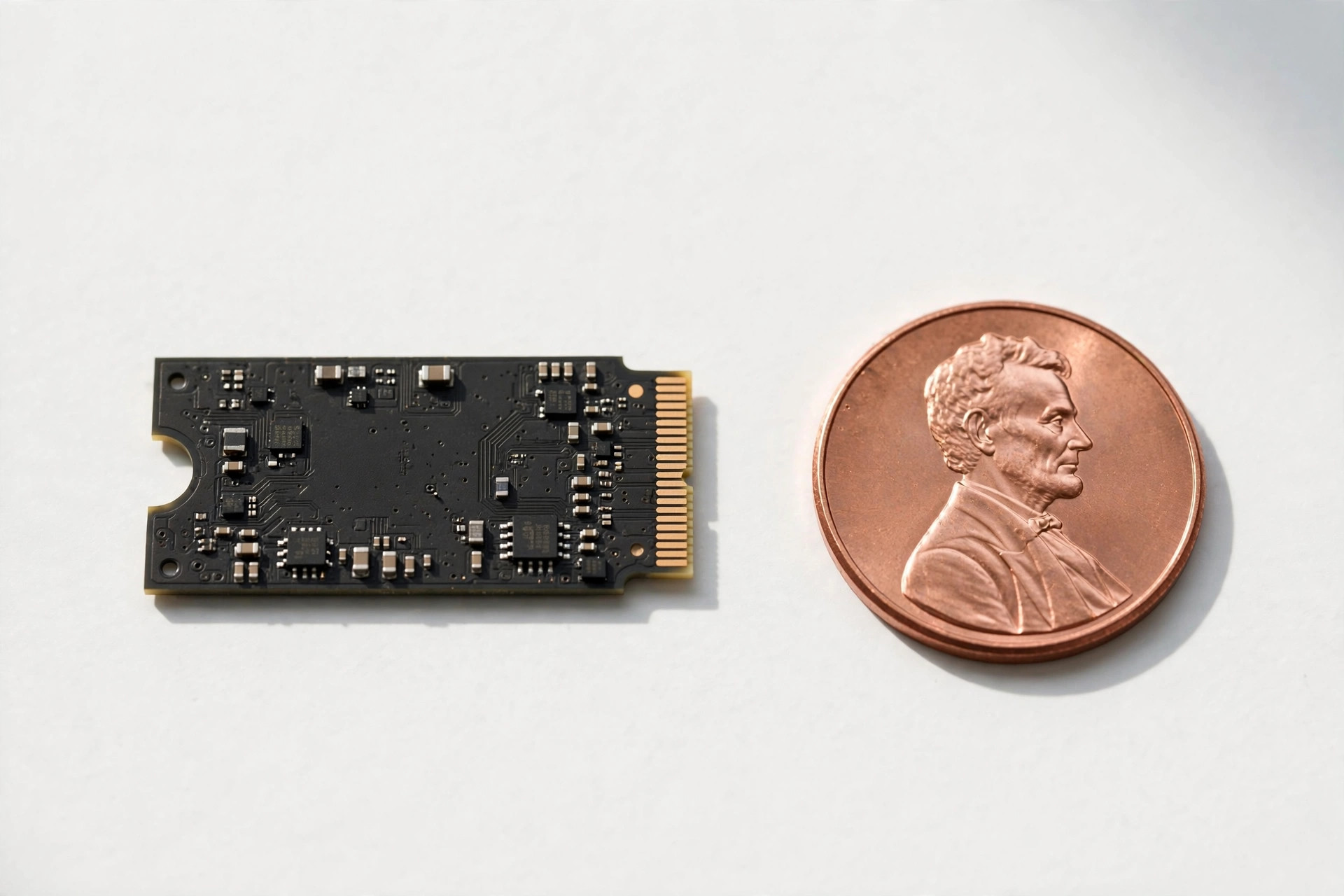
Handheld gaming PCs live and die by their storage. The ROG Ally ships with 512GB, the Legion Go with 512GB or 1TB, and modern PC ports routinely demand 100GB+ each — Call…

Why is RAM so expensive right now? If you priced a PC build recently and felt dizzy, you were not imagining it. A 32GB DDR5 kit that sold for roughly $80–90 in mid-2025 n…
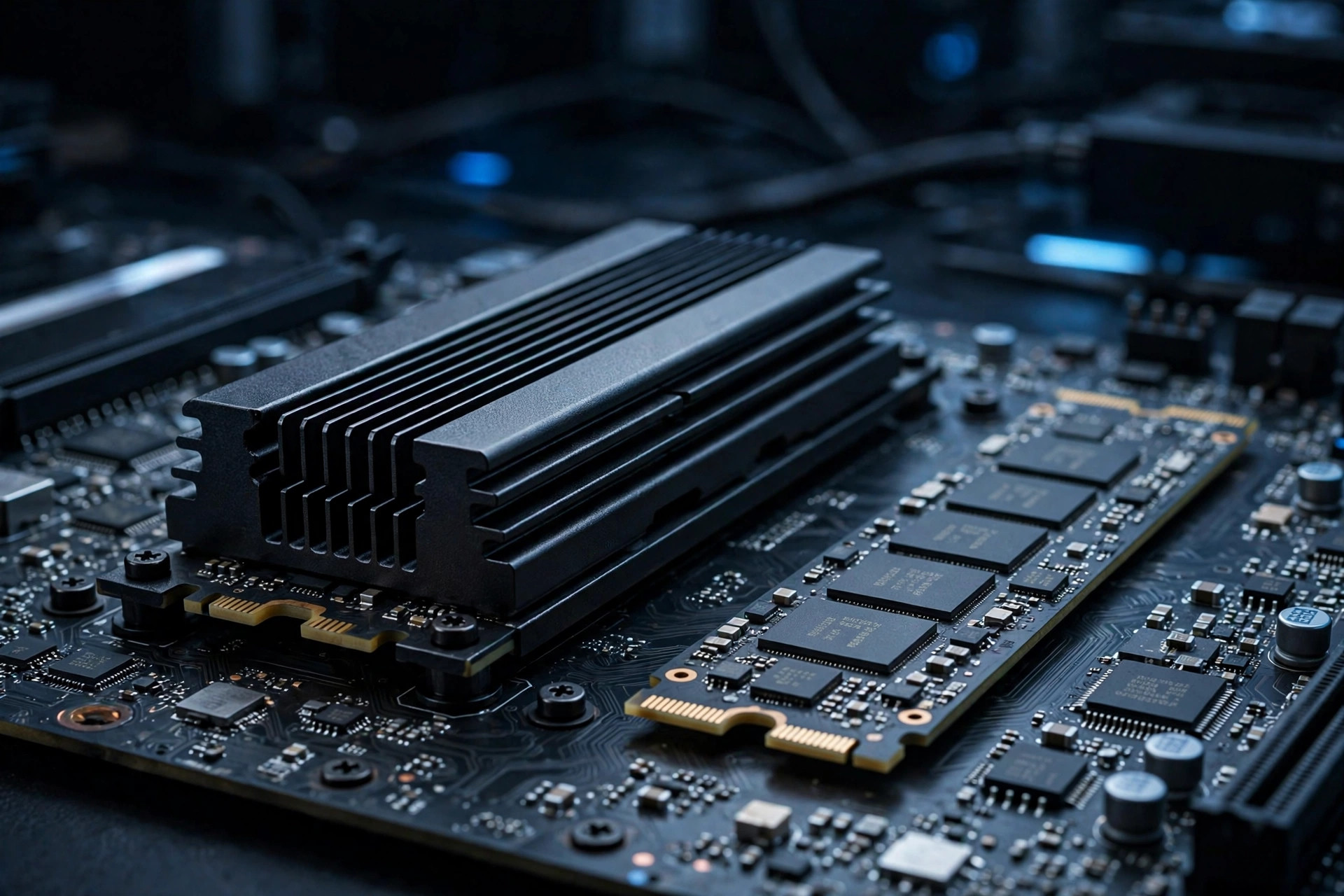
PCIe 5.0 SSDs like the FURY Renegade G5 now top 14,000 MB/s — double the ceiling of Gen4. But in a year when NAND prices have surged, the question is not how fast Gen5 is…
If you are shopping for the best PCIe 5.0 SSD 2026 has produced so far, the shortlist starts and ends with one drive: the FURY Renegade G5 . With sequential reads up to 1…